Introduction: Why Mumbai Locals Are Called the Lifeline of the City
If you’ve ever visited Mumbai, you’ve probably heard the phrase “Mumbai Local is the lifeline of the city.” This isn’t just a saying—it’s a reality. With over 7.5 million passengers commuting daily, these trains are more than just a mode of transport. They are the veins that connect every corner of the bustling city.
As a family passionate about exploring Mumbai, we—Naresh, Geeta, Yana, and Ruaan—bring you this complete guide to help first-timers understand how to travel by Mumbai local trains without confusion or stress. Through this blog, we’re combining practical travel tips with our own family experiences.
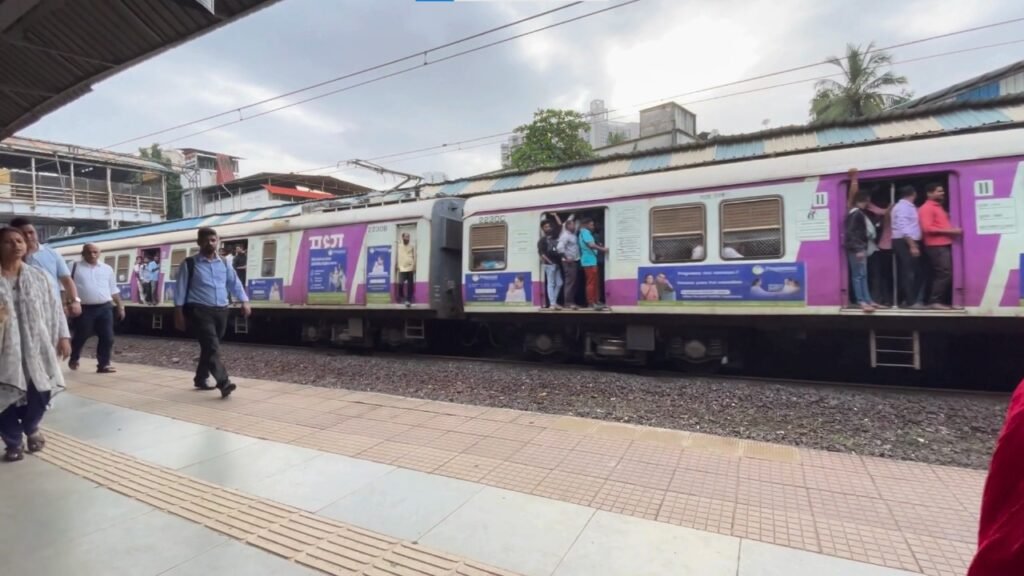
Understanding the Mumbai Local Train Network
Mumbai locals are divided into three main lines: Western, Central, and Harbour. Each has its own importance, routes, and crowd dynamics.
Western Line Overview
The Western Line connects Churchgate in South Mumbai to Dahanu Road in the north. It’s popular for daily commuters working in Nariman Point, Lower Parel, and Andheri. If you’re planning to visit Marine Drive or Bandra Bandstand, this line is your best option.
Central Line Overview
The Central Line stretches from Chhatrapati Shivaji Maharaj Terminus (CSMT) to Kasara and Khopoli. This line is known for connecting Mumbai to the outskirts and is useful for trips toward Thane and Karjat.
Harbour Line Overview
The Harbour Line links CSMT to Navi Mumbai. If you’re visiting Vashi or Panvel, you’ll be using this route. It’s slightly less crowded compared to Western and Central lines.
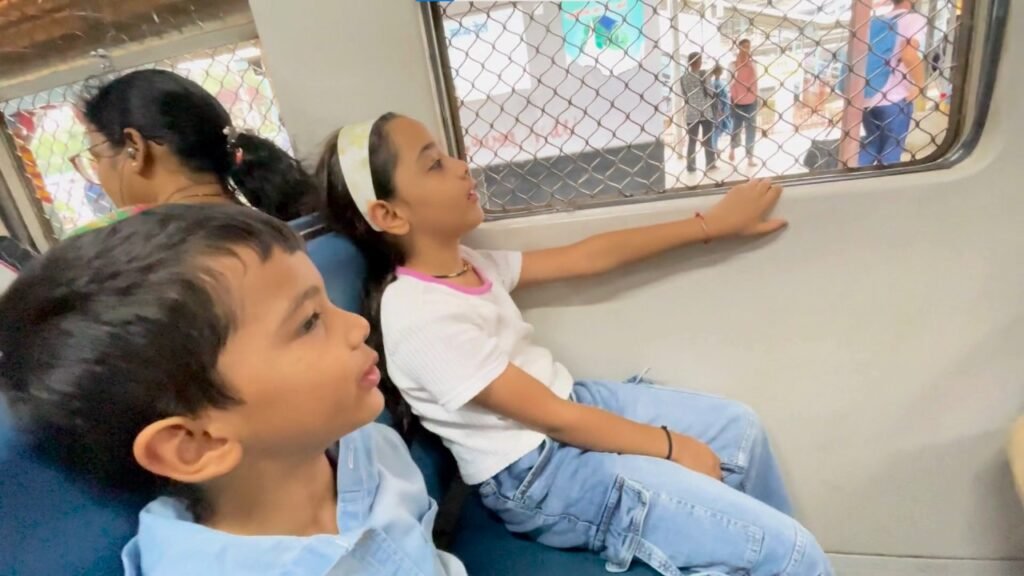
Buying Your First Local Train Ticket
Ticket Counters vs. ATVM Machines
Traditional ticket counters still exist, but they usually have long queues. Instead, ATVM (Automatic Ticket Vending Machines) are a faster option where you can buy single, return, or platform tickets.
Mobile Apps and Smart Cards
For tech-savvy travelers, the UTS Mobile App allows paperless ticketing. Smart cards are another good choice, saving you time and giving you a cashless travel experience.
First-Class vs. Second-Class Coaches
Mumbai locals have both first-class and second-class compartments. While first-class offers more space and fewer crowds, second-class gives you the authentic Mumbai train experience. If you’re traveling as a family, first-class might be more comfortable for kids.
How to Read the Train Indicators and Boards
Every station has digital boards showing the train’s destination, time, and type (fast or slow). Always check whether you’re boarding a fast train (fewer stops) or slow train (every station). First-timers are advised to start with slow trains.
Tips for Boarding and Exiting Safely
- Always let passengers exit before entering.
- Avoid standing near the door during peak hours.
- Hold onto the grab handles immediately after boarding.
- If traveling with kids like Yana and Ruaan, always stay close together.
Understanding Peak Hours and Off-Peak Hours
- Peak Hours: 8:00 AM – 11:00 AM & 5:00 PM – 9:00 PM
- Off-Peak: Midday and late night
If you’re traveling for leisure, we highly recommend taking a train during off-peak hours to avoid overwhelming crowds.
Ladies, Senior Citizens & Disabled Compartments
Mumbai locals are inclusive with dedicated compartments for women, senior citizens, and differently-abled travelers. Women passengers can safely travel in ladies-only coaches, even late at night.
Must-Know Etiquette for Traveling in Mumbai Locals
- Don’t block the door.
- Always stand in a queue before boarding.
- Offer your seat to elders and pregnant women.
- Keep your bags close to avoid inconvenience.
Essential Safety Tips for First-Time Travelers
- Avoid hanging outside the train—it’s dangerous.
- Keep wallets and phones secure in crowded coaches.
- Don’t travel on footboards.
- Stay alert when the train slows near stations.
Common Mistakes First-Timers Make (and How to Avoid Them)
- Boarding a fast train by mistake.
- Entering the wrong compartment.
- Traveling without a valid ticket.
- Carrying large luggage during peak hours.
Exploring Mumbai Through Local Trains: Popular Stations & Landmarks
- CSMT – Gateway of India nearby
- Dadar – Cultural hub of Mumbai
- Bandra – Bollywood and nightlife hotspot
- Churchgate – Marine Drive, Nariman Point
- Vashi – Shopping malls and Navi Mumbai attractions
Affordable Food Options Around Local Train Stations
- Vada Pav at Dadar
- Pav Bhaji at CST
- Misal Pav near Thane
- Bhel Puri at Churchgate
These are quick, affordable, and perfect for families like ours exploring Mumbai.
External Resource: Indian Railways’ Official Information
For real-time updates on train timings, ticketing, and schedules, you can visit the official Indian Railways website.
FAQs
1. Is Mumbai Local safe for tourists?
Yes, if you travel during non-peak hours and stay cautious, it’s perfectly safe.
2. What’s the difference between fast and slow trains?
Fast trains skip major stations, while slow trains halt at every stop.
3. Can children travel for free?
Kids below 5 years travel free, while reduced fares apply to older children.
4. How much does a ticket cost?
A second-class ticket starts as low as ₹5, while first-class costs more.
5. Is there a way to avoid queues?
Yes, use the UTS Mobile App or a smart card.
6. Which line is best for sightseeing?
The Western Line gives you access to Marine Drive, Bandra, and Churchgate—popular spots for tourists.
Traveling in Mumbai locals for the first time may feel intimidating, but with the right guidance, it becomes an unforgettable experience. Whether you’re hopping onto a slow train for sightseeing or braving the rush-hour crowd like a true Mumbaikar, the local train ride is part of Mumbai’s heartbeat.
We, Naresh, Geeta, Yana, and Ruaan, hope this guide helps you navigate the city better. 🚆✨
👉 For more family travel tips, stories, and real-life experiences, visit our YouTube channel today and discover 7 powerful Mumbai train hacks that will make your journey easier!